
What if PAMARES can reduce pollution at Anand Vihar?
See what PAMARES is achieving at one of India’s toughest outdoor air-quality locations.
Anand Vihar, Delhi, India
THE TECHNOLOGY
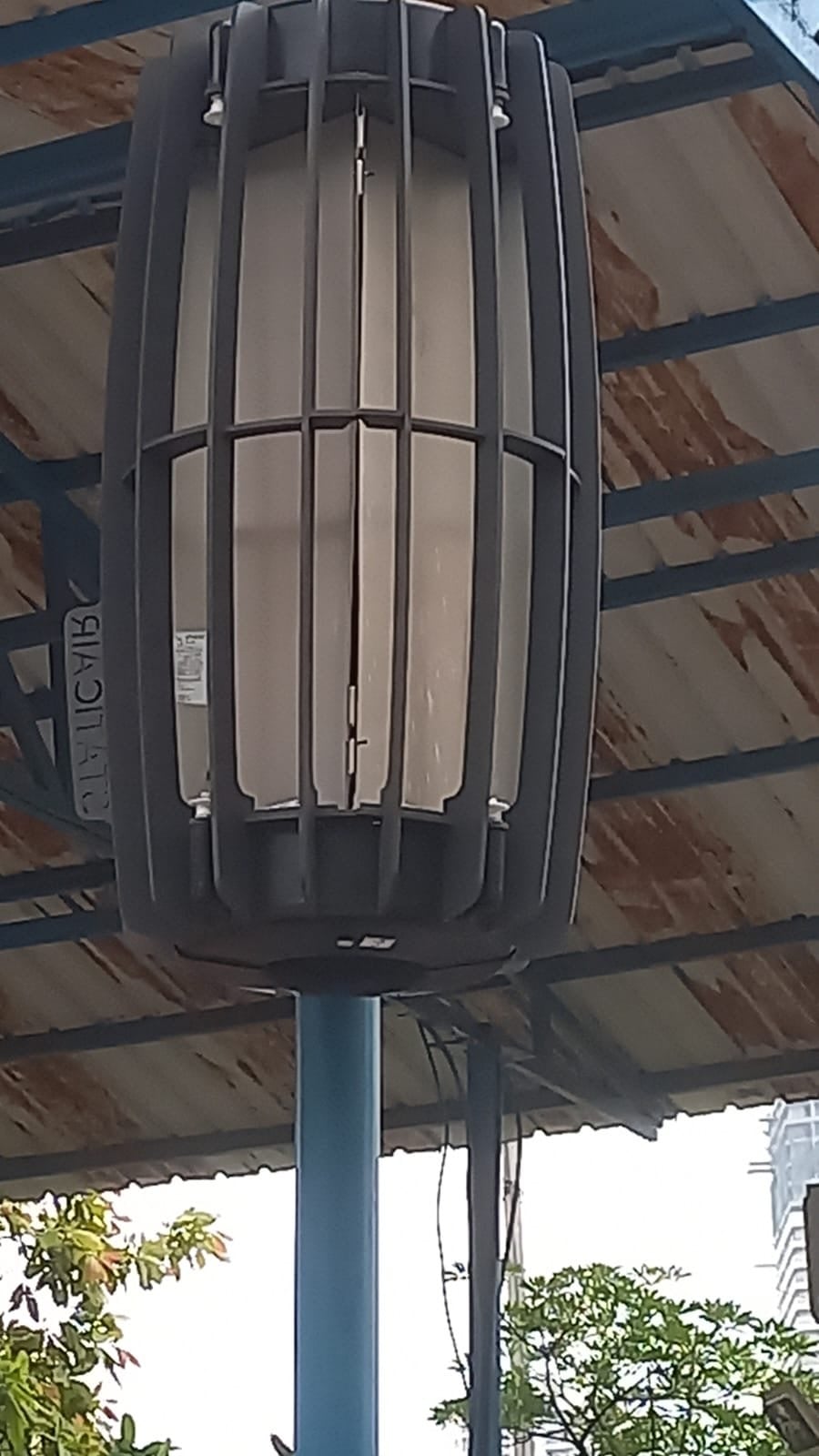
What is PAMARES?
PAMARES is an outdoor air purification system designed to reduce particulate pollution where people live, work and move.
It uses electrostatic technology to capture PM0.1 to PM10, including PM2.5 and ultrafine particles.
0 dB
Silent operation
18W
Low power consumption
No moving parts
Electrostatic technology
No conventional filter replacement
Particulate capture
Built for real outdoor environments
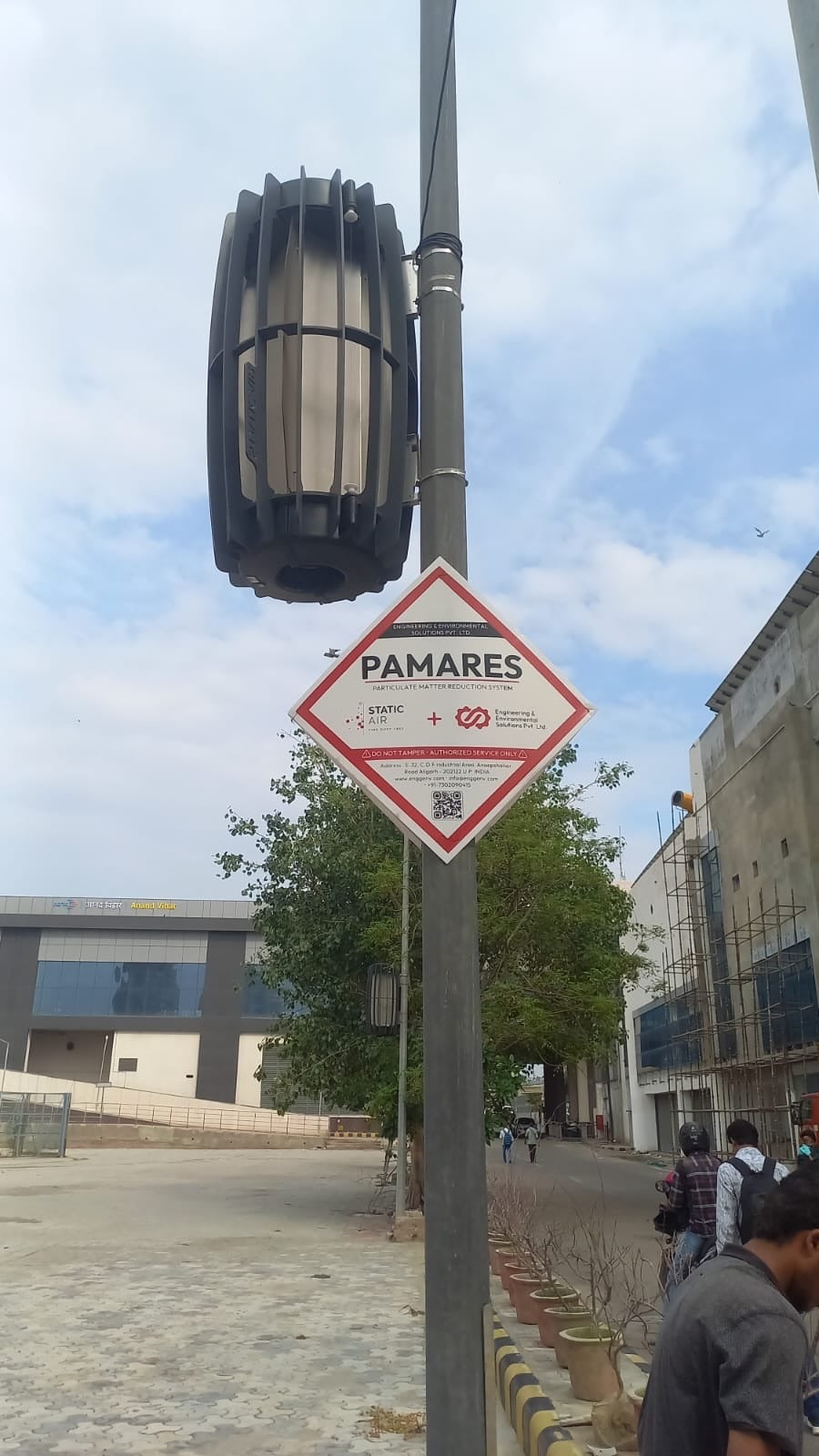
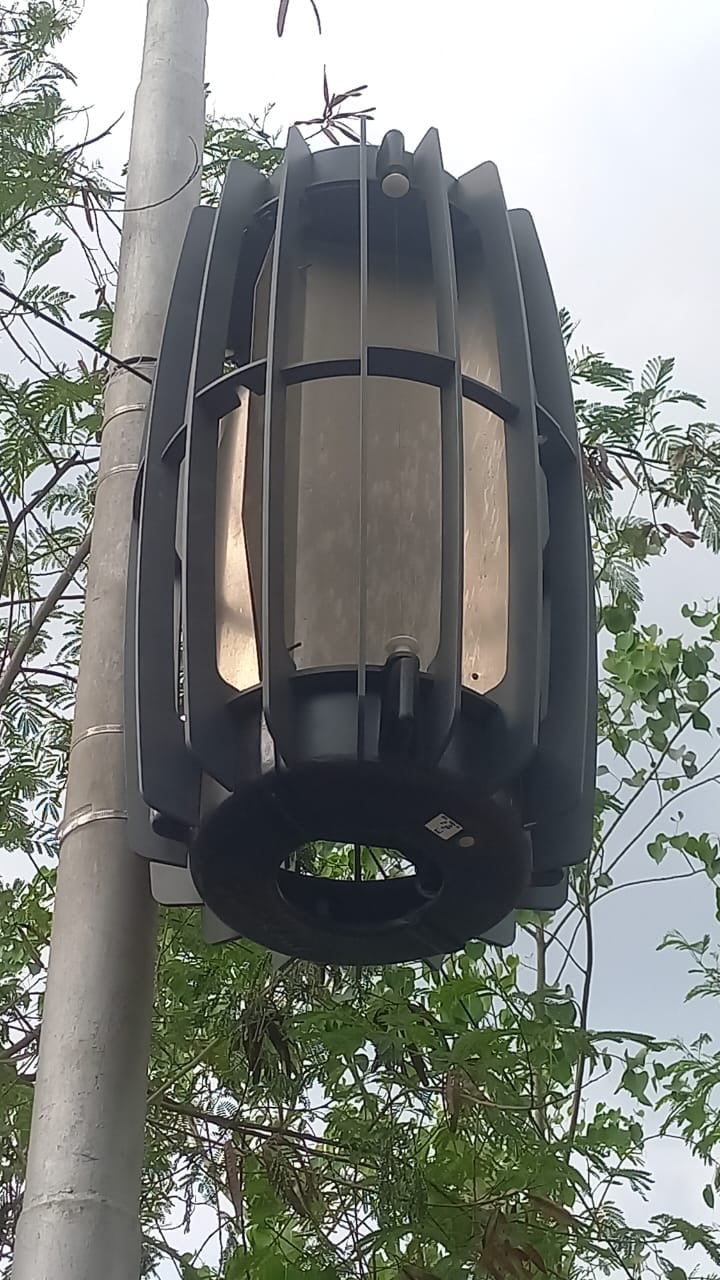
PAMARES can be installed on light poles and other suitable structures, positioned close to roads, transport areas, pedestrian spaces, schools, large premises and other pollution hotspots.
The result?
Cleaner air around the treated area, without disrupting the normal activity of the site.
GLOBAL EXPERIENCE / INDIAN VALIDATION
A real-world installation. Backed by real experience.
PAMARES has been developed in the Netherlands and has operated across Europe, North America, South America and Asia for more than 11 years.
In India, StaticAir has spent more than 3.5 years testing and validating PAMARES across 6 cities, including Visakhapatnam, Mumbai and Jaipur.
IIT Kanpur independently evaluated the technology and recorded particulate matter reductions of up to 65%. PAMARES has also been tested by NPL.
Now PAMARES is operating at Anand Vihar with DPCC, and the results so far are giving StaticAir a strong reason to take the technology to more locations across India.
Years global experience
Years testing in India
PM reduction · IIT Kanpur evaluation
Tested in 6 cities
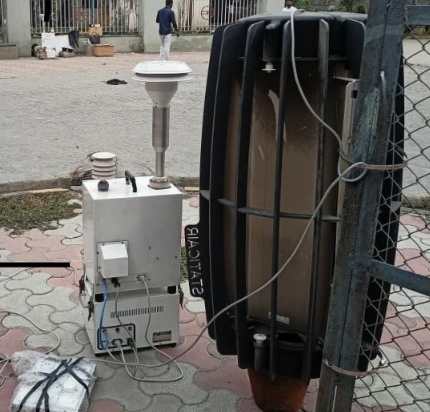
PAMARES demonstrated an average 43% reduction in PM₁₀ during field testing by CSIR–National Physical Laboratory (NPL) at Anand Vihar Metro Station, New Delhi, in a Phase-I project report submitted to the Delhi Pollution Control Committee (DPCC).
Measured performance
The report recorded PM₁₀ removal efficiencies of 25% and 43% on 13 and 14 August 2026, respectively.
Filterless technology
PAMARES uses electrostatic precipitation to capture airborne particles, without conventional fans or moving mechanical components.
Real-world evaluation
Simultaneous six-hour sampling compared baseline concentrations with measurements taken 1–2 metres from the device.
These findings demonstrate PAMARES’ potential for localized particulate reduction in outdoor environments. Results reflect two sampling days; performance varies with wind, humidity, particle concentration, atmospheric dispersion, and distance from the device.
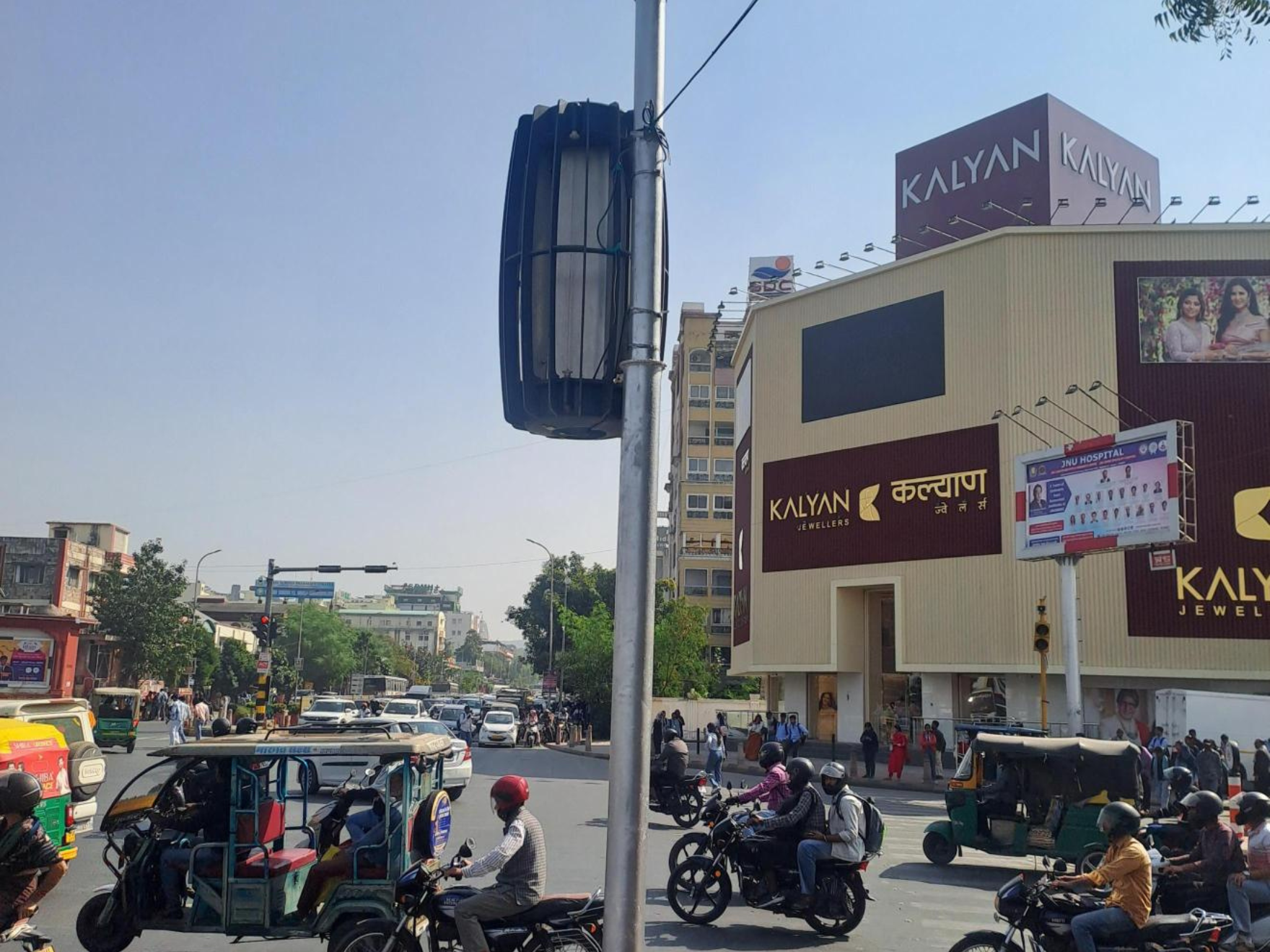
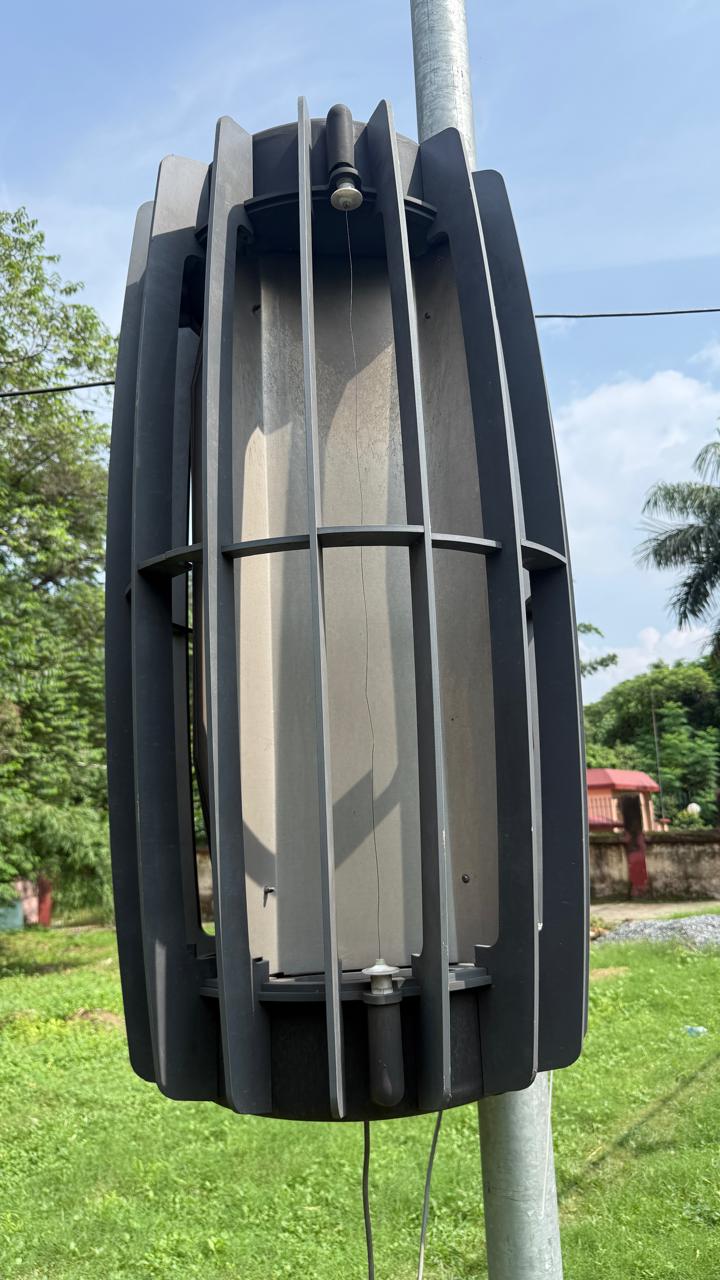
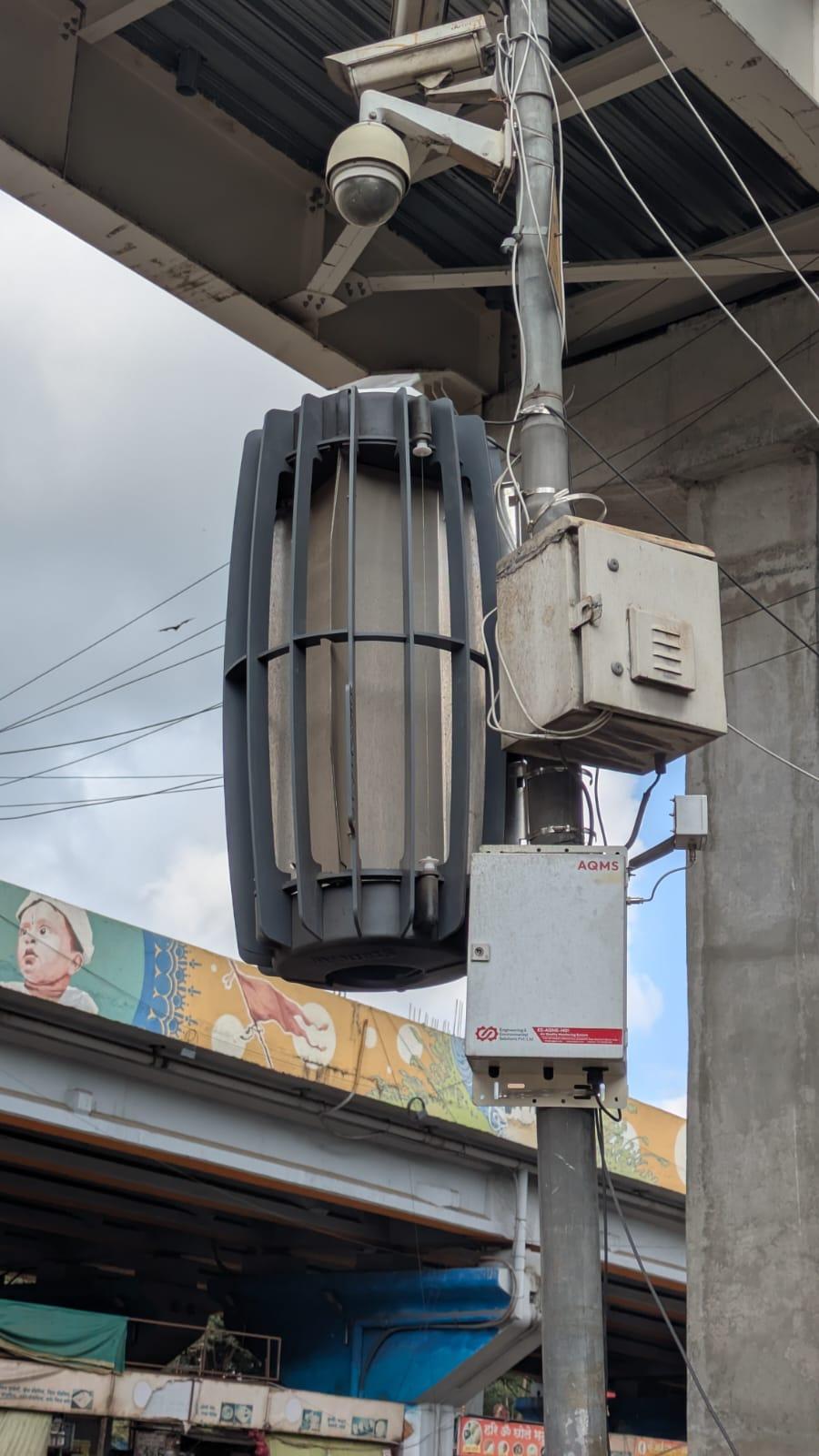
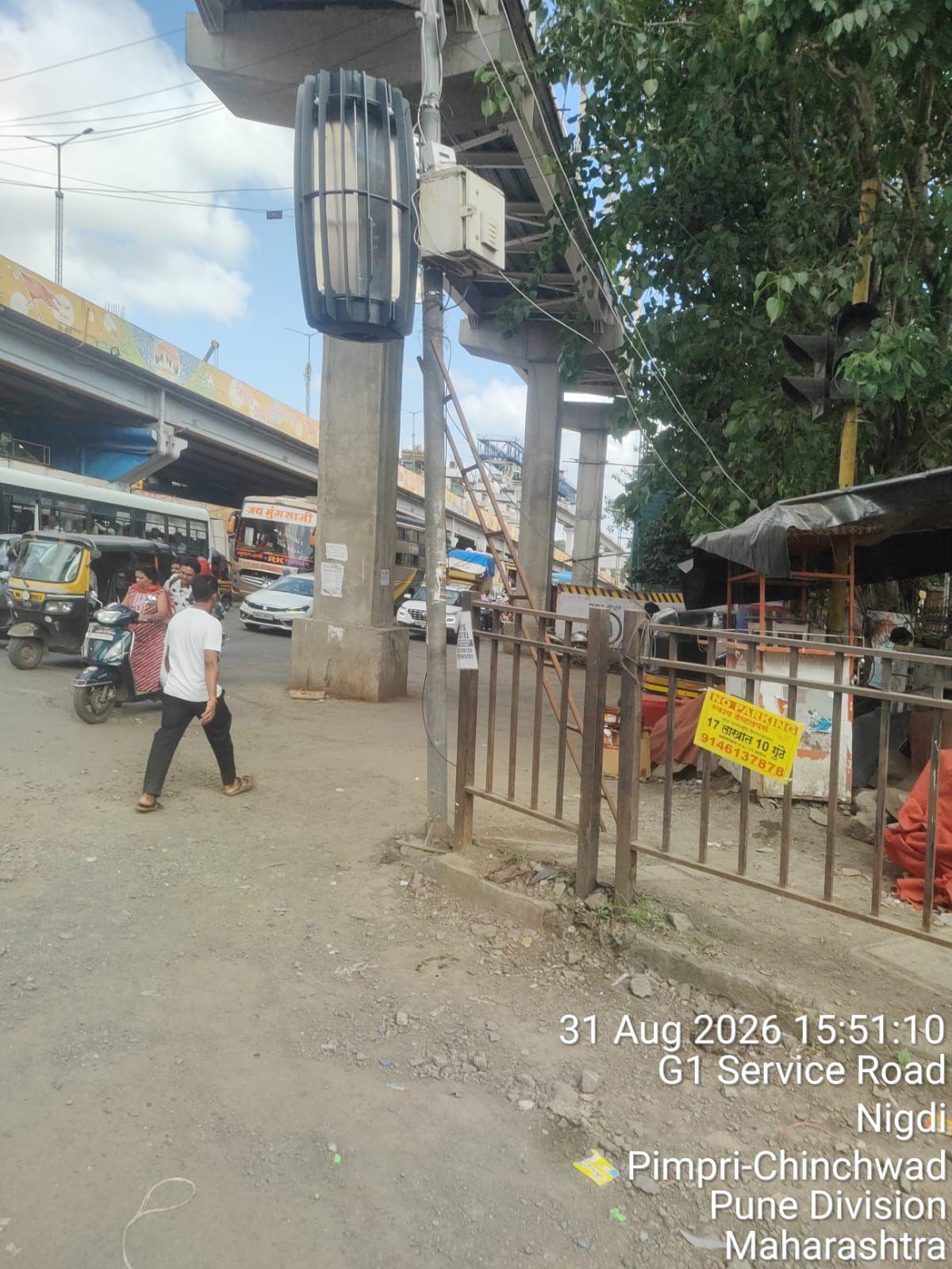
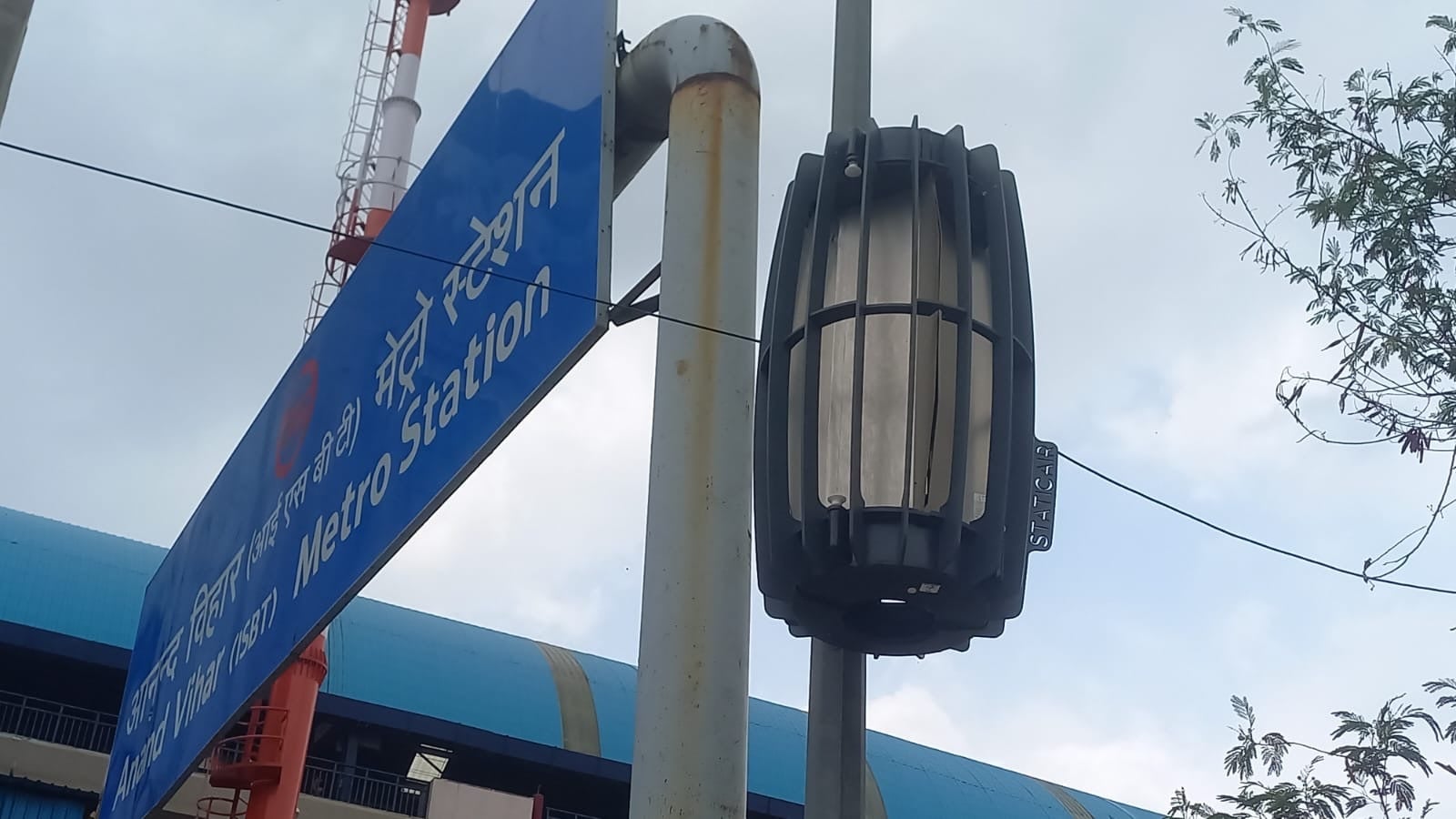
EXPERIENCE THE INSTALLATION
See PAMARES at Anand Vihar
Come see the installation for yourself.
- See how PAMARES operates in a busy transport environment.
- See the unit placement across the installation.
- Meet the StaticAir team.
- Discuss what the Anand Vihar experience could mean for your own project.